
Why we built Tarot Told Me
It started in a café: with our own conversation — and two women reading tarot at the next table.
A table in a café
It started in a café. Pavel and I were sitting at a small table, talking about the things that wouldn’t leave us alone. One of us was going through a hard stretch, and the other simply asked questions. Not advice, not comfort — just questions: What’s really bothering you? What if you look at it from the other side? What do you already know but haven’t said out loud?
And the answers started to appear on their own. They had been there all along; we only needed the right question to notice them. A problem that had felt like a dead end turned out to have several sides.
Two women at the next table
Then we noticed that almost the same thing was happening at the table next to ours. Two young women: one was laying out tarot cards for the other. The one being read for looked worried. Her friend pointed at the cards and talked to her calmly; she listened, nodded — and you could see her relax.
We looked at each other. It was our situation, only through cards. We had been helping each other with questions; they were using pictures that suggested what to ask and where to look.
How we had tarot wrong
To be honest, until that day we saw tarot only as fortune-telling. We had never really looked at it — we were looking at a stereotype.
When the idea came, we decided to dig deeper. And the more we read, the clearer it became that we had it wrong. The cards show life situations: a beginning, a loss, a choice, waiting, letting go, hope. Images that every single person meets and lives through.
That changed everything. What we had been doing at our table — asking, clarifying, looking from different angles — could become a tool. And we didn’t need to invent one. We could have drawn our own picture cards or written question cards, but why, when tarot already exists: a deck of pictures that has been drawn and redrawn for almost six centuries? The best solution was already there. It just needed to be used in the right place.
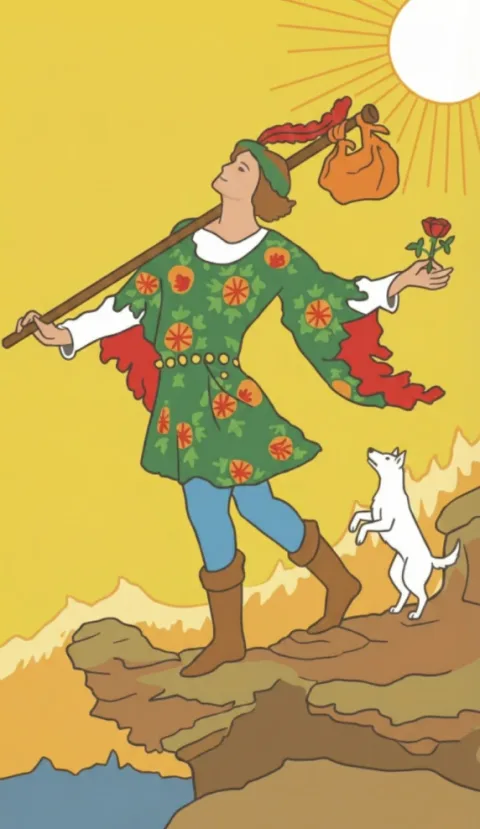
So the first thing we did was buy a deck — a classic Tarot de Marseille — and start experimenting on ourselves: asking each other questions, drawing cards, and noticing what they made us see. Later we moved to the Rider–Waite–Smith tradition, where every card — including the numbered ones — is a full illustrated scene.
First, we asked people
Before building anything, we went and listened. We interviewed women who use tarot, read forums, and asked a lot of questions.
What we found surprised us: many people don’t need the mystical part. They need to be heard. They want answers to their own questions. They want very personal feedback — the kind you don’t always dare to discuss with family or friends.
In the end, it’s a conversation with yourself. And it’s easiest to be honest with yourself.
Tarot is a way to talk to yourself — and finally hear what you already know.
What we wanted from an app
We tried a lot of tarot apps while we were learning. Each does its own thing, and many people love them. We were looking for something specific: an app that asks what you came with before it shows you a card, and takes its time. We couldn’t find quite that, so we built it.
An app that listens first and answers second.
What we believe
- Tarot is a mirror, not a forecast. The cards don’t know your future. They help you see your present more clearly.
- It starts with you. Your question, your mood, your words. Nothing is decided for you.
- We don’t read other people’s minds. No card can tell you what someone else feels — but it can help you notice what you feel.
- Calm over thrill. No “urgent”, no “destiny”, no pressure to keep pulling.
- Taking care of yourself is normal. Your inner life deserves attention every day, not only in a crisis.
What Tarot Told Me became
Your question. You write what’s on your mind in your own words and choose how you feel — from heavy to bright.
The cards. A short ritual — shuffle, cut, draw — gives you a minute to think before the cards turn.
One reading. Not a list of generic phrases, but one reading that connects your question, your mood and the cards you drew.
Your journal. Every reading is saved, so over time you can see which cards and questions keep coming back.
A voice that’s on your side
The hardest part wasn’t the cards. It was the voice.
The readings are written by AI. We designed its voice and its approach for reflection: warm, attentive, and on your side. It isn’t a person and doesn’t pretend to be one — but it reads your question, your mood and your cards before it says a word. Not a horoscope for everyone, not a list of card meanings, but words about your question and your situation.
Your questions stay private
Your questions and readings are private. We don’t sell them, we don’t use them for ads, and no other user sees them. To write your reading, your question is sent to our AI provider, which doesn’t use it to train its models. You can delete your account and your readings whenever you choose; our Privacy Policy explains the timing.
Who we are
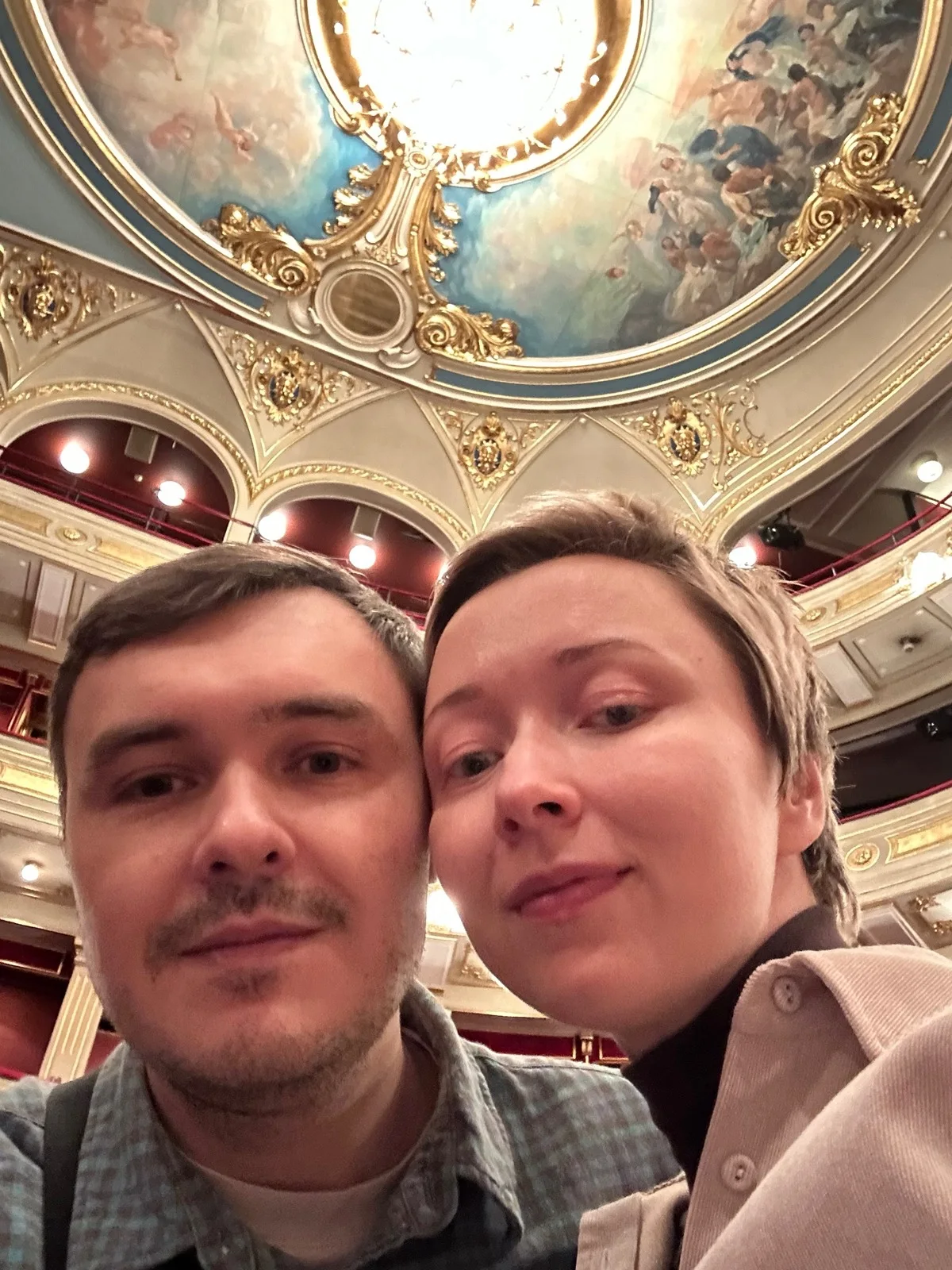
We’re Ira and Pavel — a family, and the two people behind Tarot Told Me. We came to respect tarot once we really looked at it, we take care of our own mental wellbeing, and we want to make things that help people feel a little calmer and more sure of themselves, every day. We’re not psychologists. We’re two people who read the research and built a tool we wanted for ourselves.
An honest boundary
Tarot Told Me is not therapy and not a substitute for professional help. If things have felt heavy for a long time, please talk to a psychologist or a doctor. The cards can help you ask a question. Hard questions sometimes need a real person beside you.
Tarot Told Me is coming to iPhone and Android. Join the waitlist and we’ll email you on launch day.
What reflective tarot is, and where the idea comes from.
Frequently asked
Who makes Tarot Told Me?
Ira and Pavel — a family and a small independent team. We came up with the idea, researched it, and are building the app ourselves.
Is Tarot Told Me fortune-telling?
No. It’s reflective tarot: the cards help you look at a situation from different sides, not predict the future.
Do I need to know tarot?
No. You ask a question in your own words, and your reading explains the cards in the context of that question.
Will anyone see my questions?
No other user sees them, and we don’t sell them or use them for ads. To write your reading, your question is sent to our AI provider, which doesn’t use it to train its models. You can delete your account and your readings whenever you choose; our Privacy Policy explains the timing.
Is the reading written by AI?
Yes. The cards are drawn at random; the reading is written by AI from your question, your mood and the cards you drew. We designed its voice and its approach for reflection: it asks, it doesn’t predict.